

When a couple dining at Eleven Madison Park mentioned they’d never had a proper New York hot dog from a street cart, Will Guidara did something that made his kitchen staff think he’d lost his mind. He sent a server out to buy hot dogs from a street vendor, plated them beautifully, and served them as part of the couple’s $300+ tasting menu.
The accountants would have hated it. The couple never forgot it.
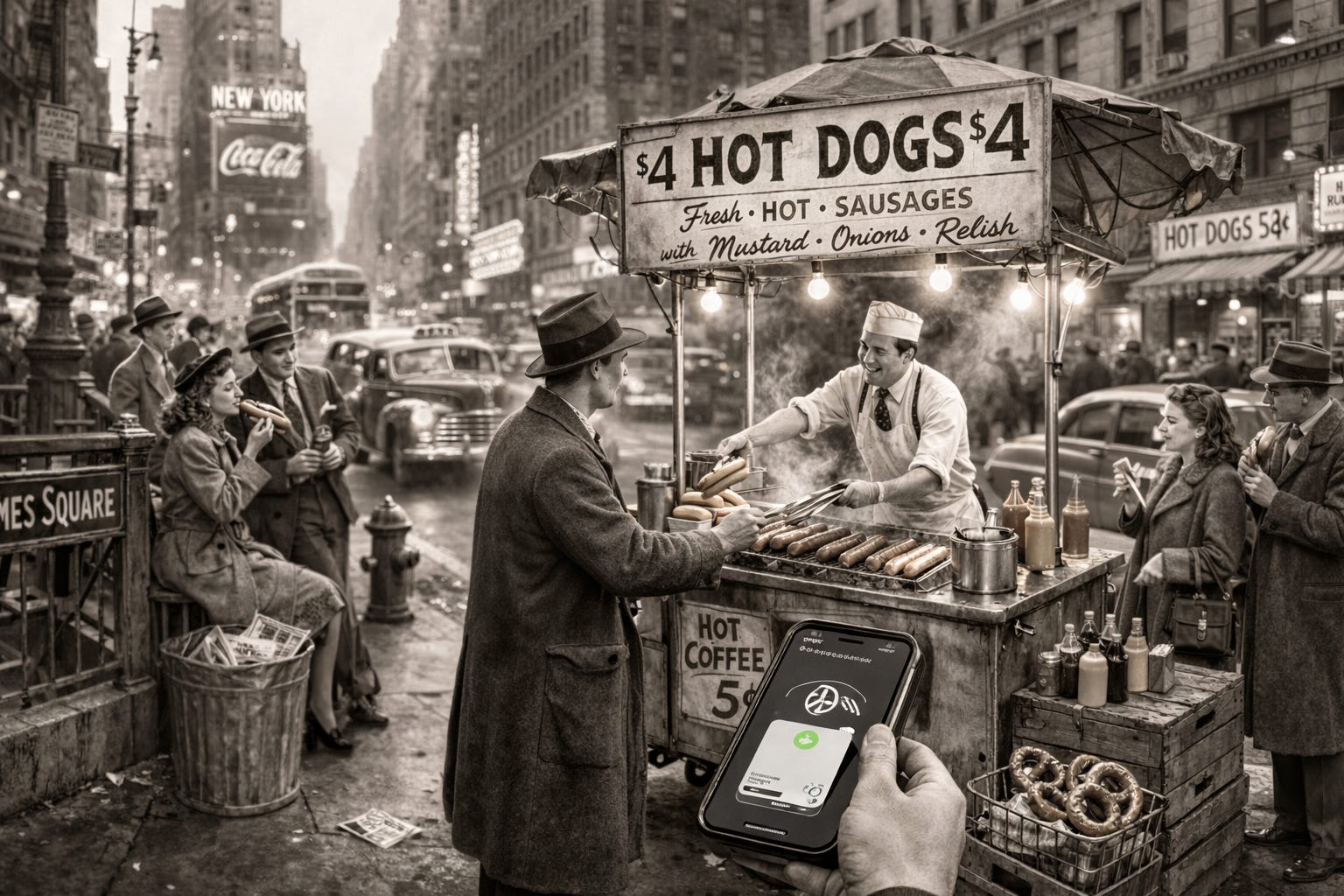
That story from Guidara’s book “Unreasonable Hospitality” captures something most businesses miss completely. We’ve gotten so good at measuring efficiency that we’ve forgotten to create moments worth remembering. Every interaction is optimized, every process is streamlined, and everything shows up neatly in our dashboards. But none of that makes people tell their friends about you.
The Gestures That Don’t Scale Are the Ones That Matter
At FOMO.ai, we do something that probably looks ridiculous on paper. When a sales prospect cancels because they’re sick, we send them a coffee credit or meal delivery gift. When clients get married, we send wedding gifts. These cost us maybe fifty bucks each time, and there’s no line item in our revenue forecast that tracks the return.
But here’s what actually happens.
The prospect who canceled and got a DoorDash credit? Six months later when they finally had budget, they came back to us instead of the three competitors they’d been considering. The client whose wedding we acknowledged? They’ve referred us to three companies in their network.
None of this shows up in a quarterly report, but it absolutely shows up in retention rates and the kind of word of mouth that paid ads can’t touch.
Most Companies Are Technically Correct and Completely Forgettable
The software industry has gotten really good at efficiency and really bad at humanity. Everything is automated onboarding flows, triggered email sequences, and chatbots that try to sound friendly but feel hollow.
Guidara’s approach was different. He looked for moments where his team could go beyond what was expected, practical, or even sensible from a cost perspective. The hot dog story works because it is connected to something the diners actually care about. When we send a meal delivery credit to someone who’s sick, we’re acknowledging that they’re human and that we care about them beyond the meeting they missed.
The Trick Is Knowing When to Be Unreasonable
Reading “Unreasonable Hospitality” doesn’t mean doing random nice things and hoping they stick.
Guidara and his team were strategic about when and how they went beyond expectations. They watched for moments that mattered and listened for clues about what would be meaningful to specific people. A generic surprise doesn’t carry much weight, but something that connects to what someone actually values becomes part of their story.
Think about the last time someone went out of their way for you in a business context. You probably still remember it because it was unexpected and personal.
Where AI Actually Helps (By Getting Out of the Way)
We’re building AI tools at FOMO.ai, and much of what we do focuses on automation and efficiency. But the reason we automate the routine work is so humans can focus on the unreasonable moments.
If your team isn’t drowning in repetitive tasks, they have the mental space and energy to notice the opportunities for genuine connection.
The AI can handle standard responses, data analysis, and routine content creation. What it can’t do is notice that someone mentioned their daughter’s college graduation in passing. It can’t decide that a prospect who’s having a terrible week deserves something to brighten their day. Those judgment calls require human intuition, empathy, and the willingness to do something without a clear ROI.
How to Start Being Memorably Unreasonable
You don’t need to transform your entire operation. Start by asking better questions. Where are you technically correct but emotionally flat? What do your customers mention in passing that reveals what they really value?
Then pick one moment and figure out how you could make it unreasonable in the best way. Maybe it’s sending a handwritten note after a particularly good call. Maybe it’s surprising a long-term client with something you know they’d appreciate.
Will Guidara built the best restaurant in the world by caring about details that seemed ridiculous. The question is whether you’re willing to be that ridiculous too. In a world that’s increasingly automated and efficient, being unreasonably human might be the most reasonable strategy there is.
👉 Founder or operator? You can now schedule a 1:1 session with me.